Start with why you still want the piece
Before deciding whether to repair clothing, ask what you like about it. Fit, comfort, color, and memories can all matter. Then identify the actual problem: a missing button, a damaged fastening, fabric wear, or a fit that has changed. Different problems need different work. A clear description helps you decide whether to investigate a repair rather than replacing the whole item or keeping it unworn in the hope that the issue will disappear.
Get an informed estimate
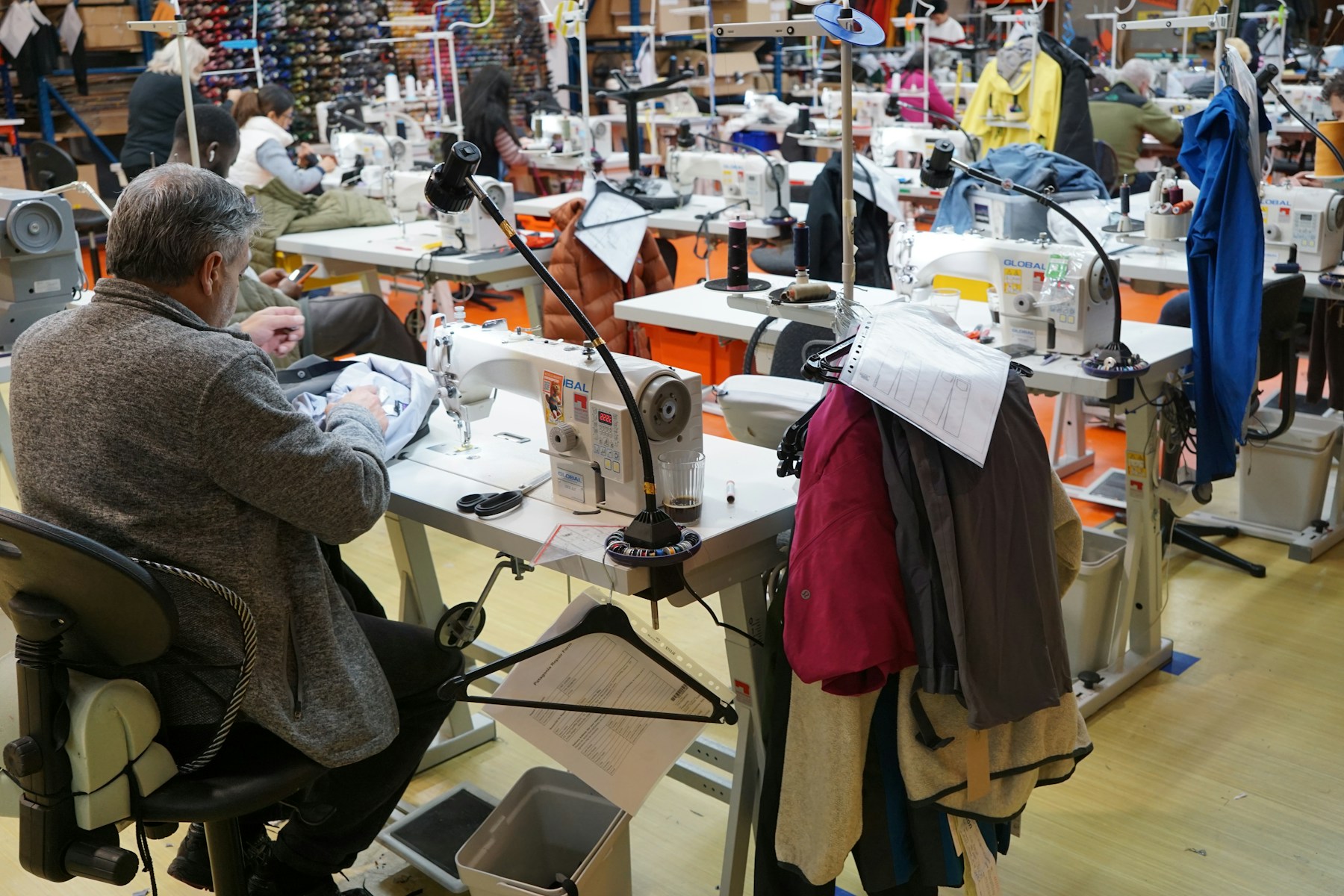
A tailor or repair specialist can explain what is possible and what the work will cost. Bring the garment and describe the result you want. Ask whether the repair will be visible and whether it may change the fit or shape. Avoid assuming that a small-looking problem is always easy to fix. Compare the estimate with the usefulness you expect from the piece, rather than only with its original price. You are deciding about future wear.
Keep home repairs within your skill
If you already know how to replace a button or mend a small issue appropriately, use tools and methods suited to the fabric. Follow care labels and seek advice when unsure. Practice a new technique on spare material before working on a favorite garment. More complicated damage may be better assessed professionally. The satisfaction of doing something yourself is worthwhile, but it should not depend on taking a risk with a piece you would be upset to lose.
Make the decision, then give it a place
If arranging a repair, choose a time to do it so the garment does not remain in a permanent waiting pile. If replacing it, use what you learned about fit, fabric, and wear to guide the next choice. For an item you no longer want, check local donation or textile collection requirements rather than assuming every damaged piece can be accepted. Looking after a wardrobe includes completing decisions. A repaired favorite earns its value by returning to ordinary use.
Published by Spee24. Our editorial approach.
Explore Shopping