Choose three ordinary objects
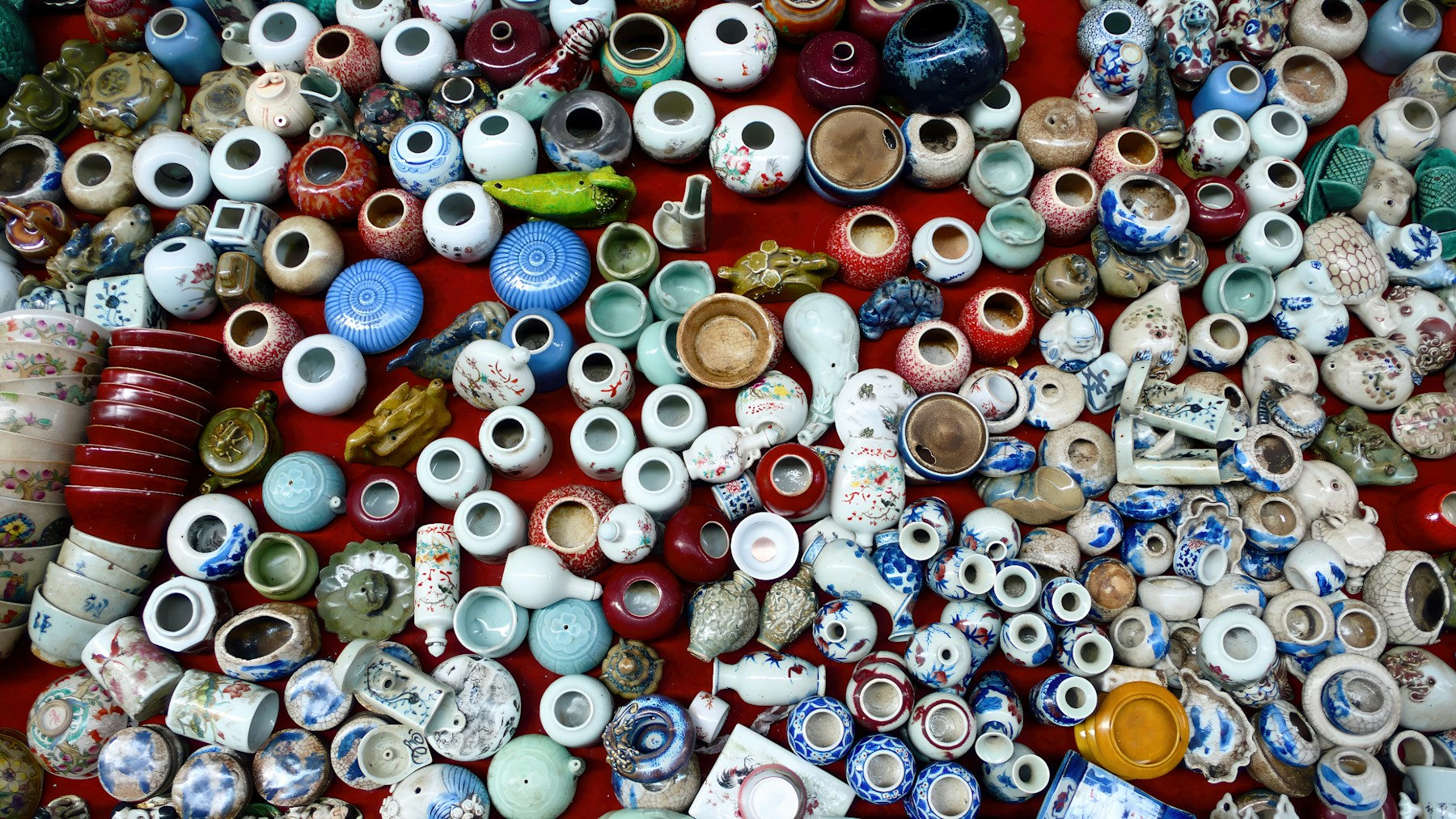
A chipped bowl from a trip may earn its shelf space in a way a perfectly styled object never could. Memory gives things another kind of presence.
Look around your home and choose three things with a history you can explain: a worn bag, a notebook, a mug, or a piece of jewelry. Write a few sentences about how each came into your life. An object does not need to be rare or expensive to hold attention. Its significance can come from repeated use, a particular person, or the moment when it became part of an everyday habit.
Notice the visible record of use
Look at a softened edge, a familiar mark, or the way a handle has changed. These details can make the object more individual, although they do not automatically make it more valuable. Decide which signs of use you enjoy and which need practical care. Read any relevant care instructions before attempting a repair. An archive can include useful objects that continue working, rather than requiring everything meaningful to be preserved outside ordinary life.
Let the collection stay alive
Bring one of the objects back into use if it still suits you. Move a book to the place where you read or carry the bag on a familiar route. Its story can continue rather than remaining fixed at the moment you acquired it. If you no longer want something, recording the memory may be enough. Personal style develops through the relationships you keep with things as well as through the new pieces you choose.
Tell one object’s story
Choose an object and write three lines: where it came from, what you remember, and how you use it now. If it stays hidden, consider whether displaying or using it would bring pleasure. If you are ready to let it go, a photograph and the note can preserve the memory.
Published by Spee24. Our editorial approach.
Explore Culture