Look before opening
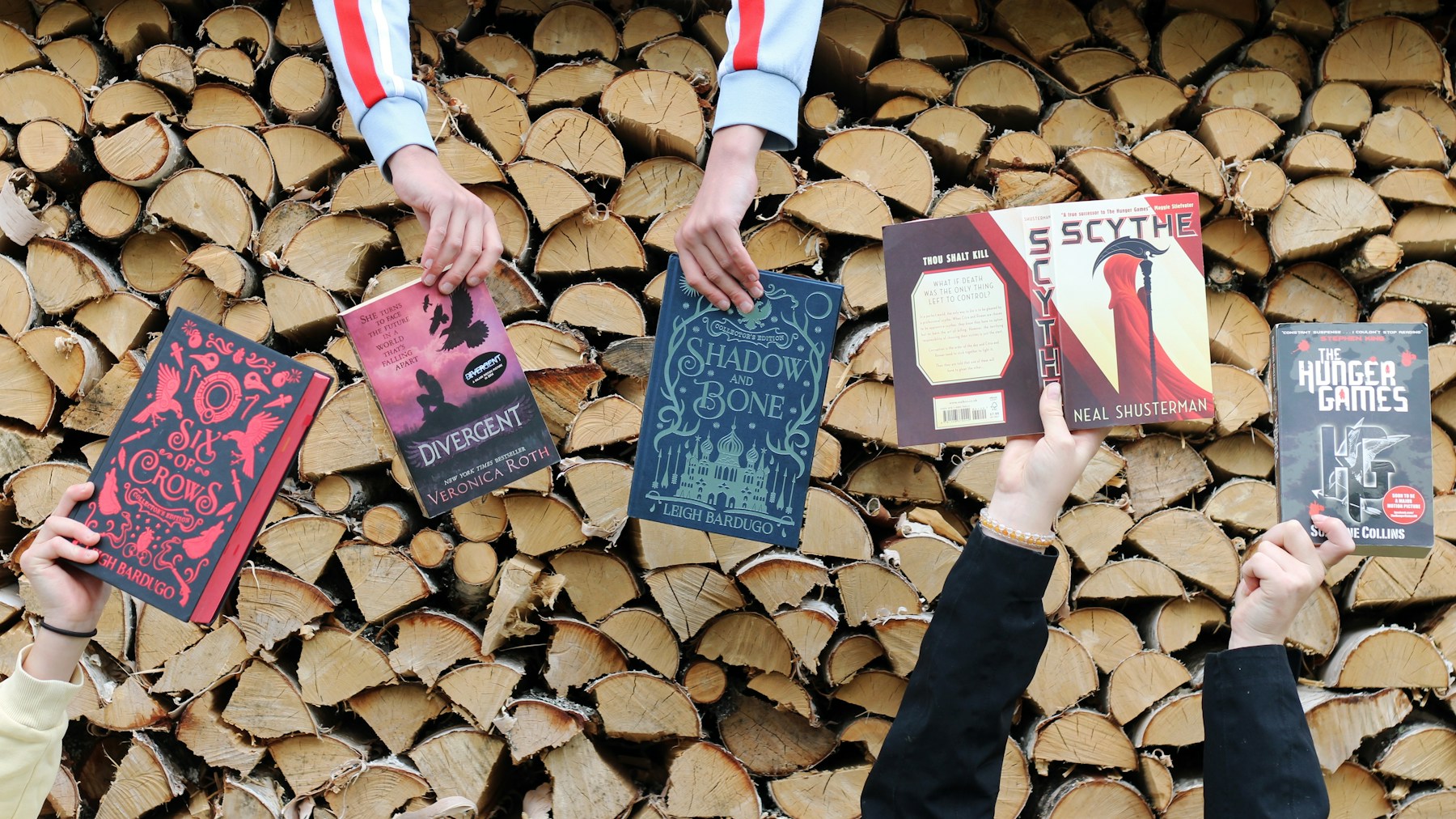
A shelf can become a small design exhibition when you turn a few books face out. Type, color, and empty space tell different stories.
Choose three books from your shelf and place them beside one another. Notice the scale of the title, the space around it, and the relationship between type and image. A cover can be quiet or crowded, literal or suggestive. Describe what each one makes you expect before looking at the text inside. This is an exercise in attention rather than a judgment of literary quality. A memorable cover may invite you into a book, but it cannot stand in for the writing.
Compare without inventing a hierarchy
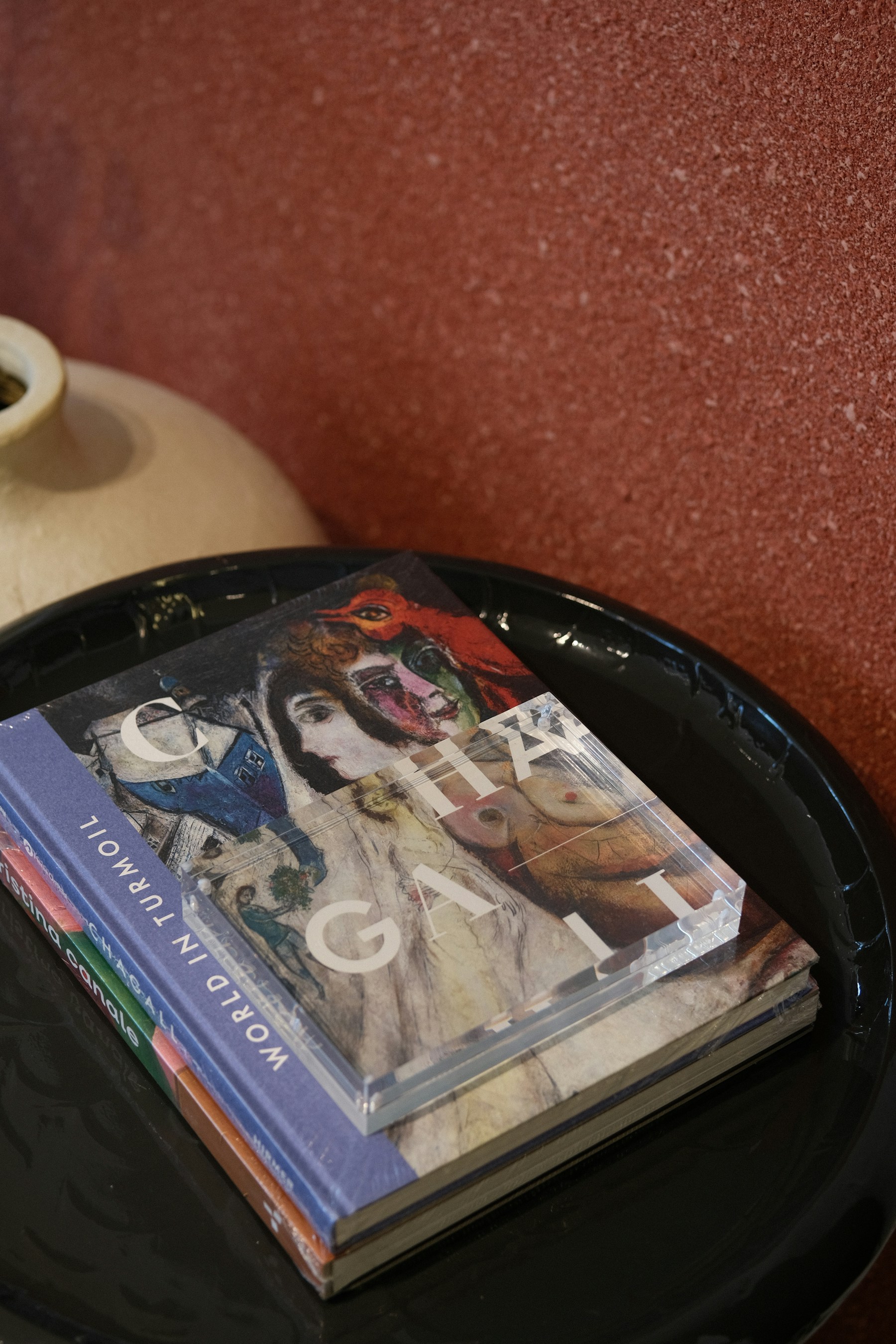
A photograph, a painted image, and a typographic cover solve different problems. Look at how the designer makes the title readable and gives the author a place. Turn the book over and examine how the spine and back continue the arrangement. If credits are available, note who designed it. Editions of the same title may offer different interpretations, which can be interesting to compare. Treat the differences as choices made for a particular publication rather than a simple progression from old to better.
Let the shelf become personal
Arrange a small group by an association that means something to you: books read during one season, titles from a place, or covers that share a visual detail. Then use the books rather than preserving the arrangement as a permanent display. The shelf can change as your reading changes. A book’s design belongs to the physical experience of holding and finding it. Giving that design a little attention adds another pleasure to objects you may already know well.
Compare three covers
Place three books together and look for the first detail that distinguishes each. Notice title size, color contrast, and the balance of image and text. Then read the jacket description and consider whether the design prepared you for that subject. Keep your observations specific rather than ranking the covers from best to worst.
Published by Spee24. Our editorial approach.
Explore Culture