Begin with curiosity
A reading list becomes more inviting when it reflects what you are curious about now. Leave room for a short book, a surprise, and a change of mood.
Write down the subject, voice, or setting you want to spend time with. It may be a question prompted by a conversation or a desire for a completely different pace from your workday. Keep the list short enough that its entries still feel alive. A recommendation can open a door, but it does not create an obligation to finish every title. Your reading life can include rereading, abandoning, and choosing something unexpected without needing to justify each decision.
Mix the kinds of attention
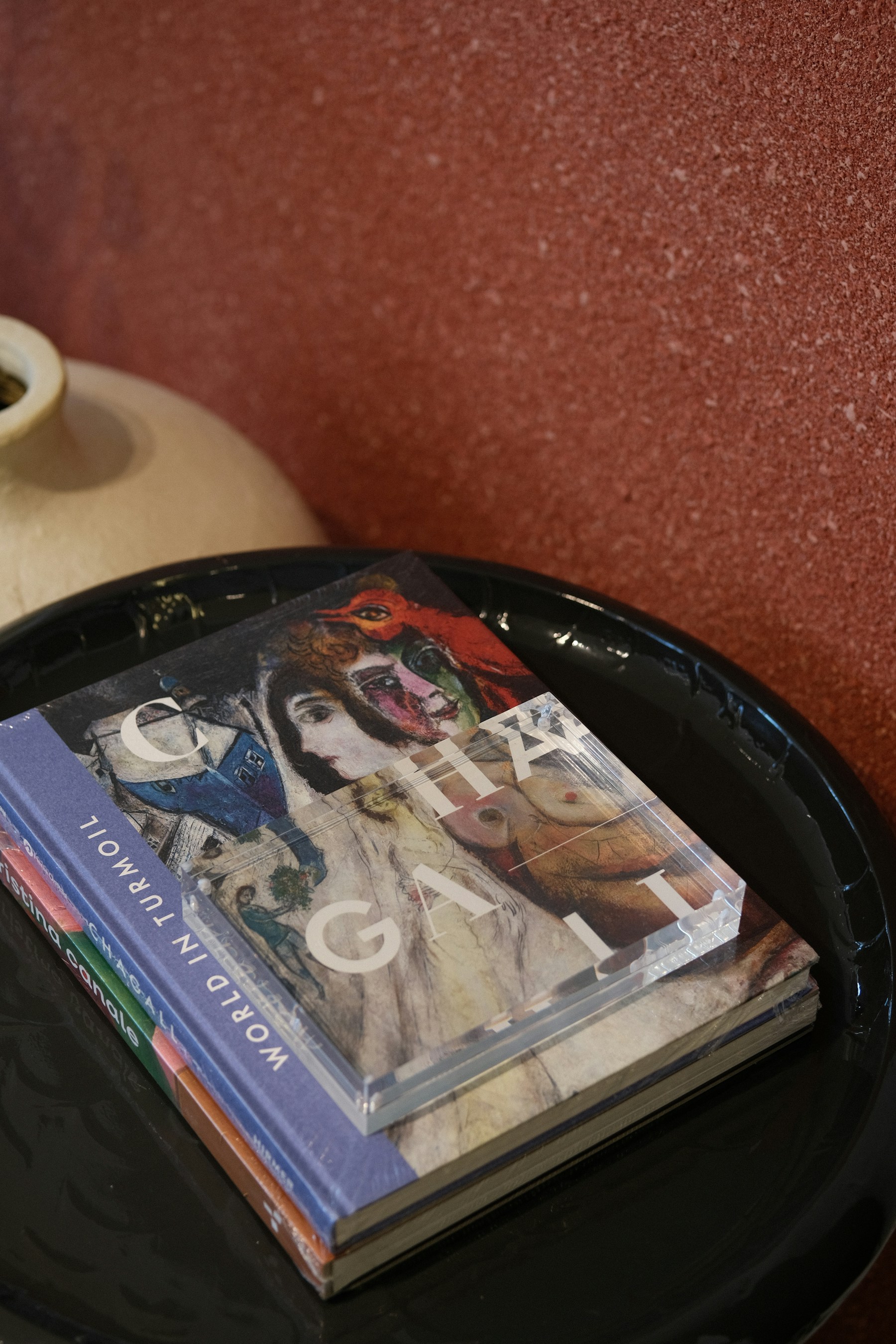
A long novel, a collection of essays, and a book of photographs ask different things of you. Place a few formats together if that makes reading fit the day more easily. One book might belong beside the bed and another in a bag. Avoid turning the arrangement into a strict rotation unless that helps you. The purpose is to make the next page accessible. A list becomes useful when it recognizes the way you actually read rather than an ideal schedule.
Record a response, not a score
After reading, save a phrase in your own words about what stayed with you. Perhaps the book changed how you noticed a room or gave you a question to discuss with someone. That response is more personal than a star rating. Note the author and title so you can find the work again. Over time, these small records reveal connections among otherwise different books. The list becomes a record of attention, with enough space for your taste to keep changing.
Give each choice a reason
Choose three possible books and write a different reason for each: a subject, a voice, or a setting you want to explore. Check access through a library or a sample before buying where possible. Begin with the one that feels inviting today. A list should help you choose, not become an obligation.
Published by Spee24. Our editorial approach.
Explore Culture